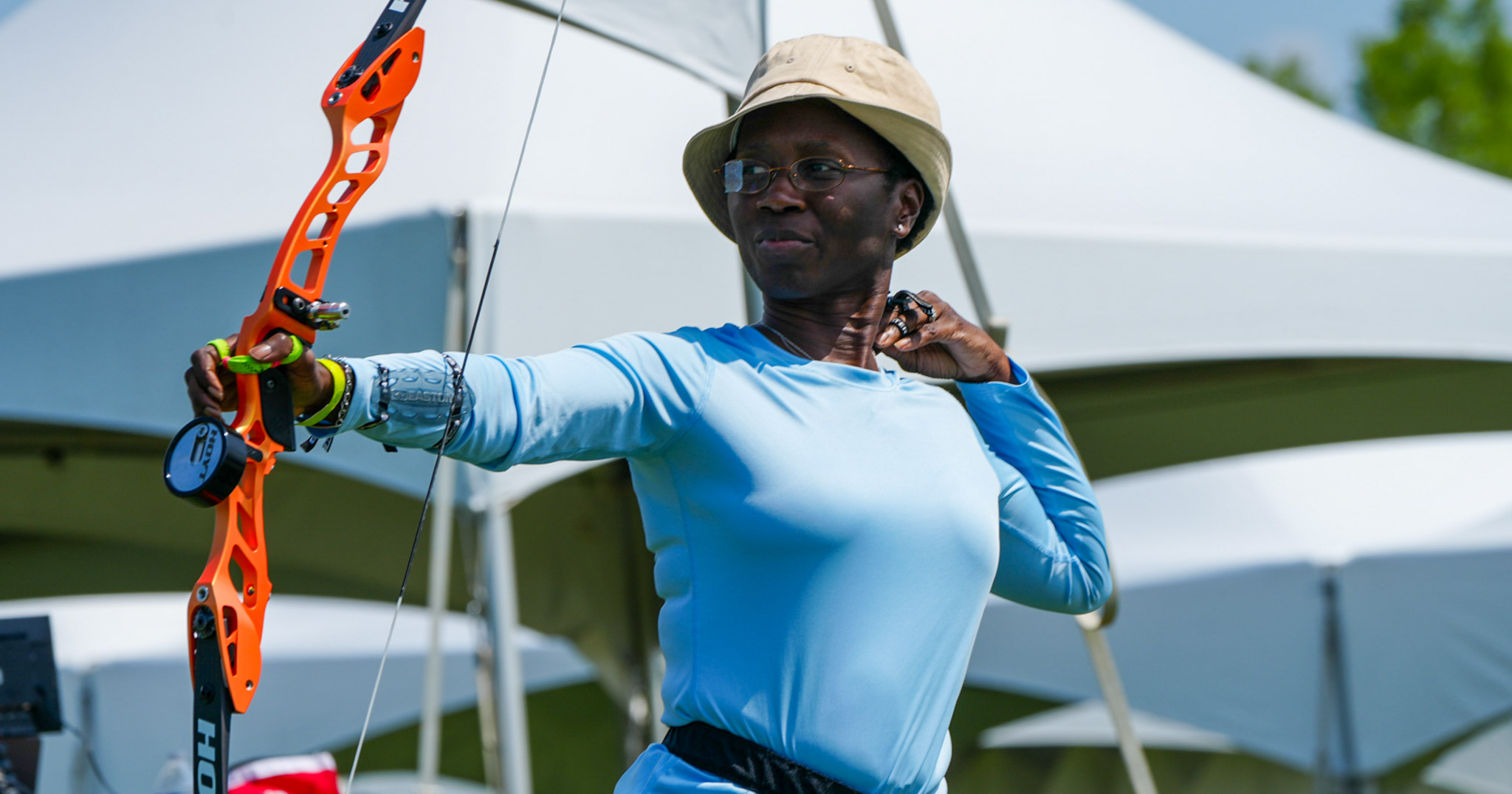
 When Dr. Cindy Terlonge Graham first walked onto an archery range in late summer 2022, she wasn’t chasing medals or podium finishes. She was looking for a safe way to re-enter the world.
Like many families, the Grahams had spent much of the pandemic social distancing. For Cindy, who manages a combination of medical conditions, caution wasn’t optional - it was necessary. By August, as life slowly began to reopen, she turned to her two sons, Noah and Porter, with a simple question: What activity would they like to start again?
Before COVID, Noah fenced and Porter played soccer. This time, both boys gave the same answer.
Archery.
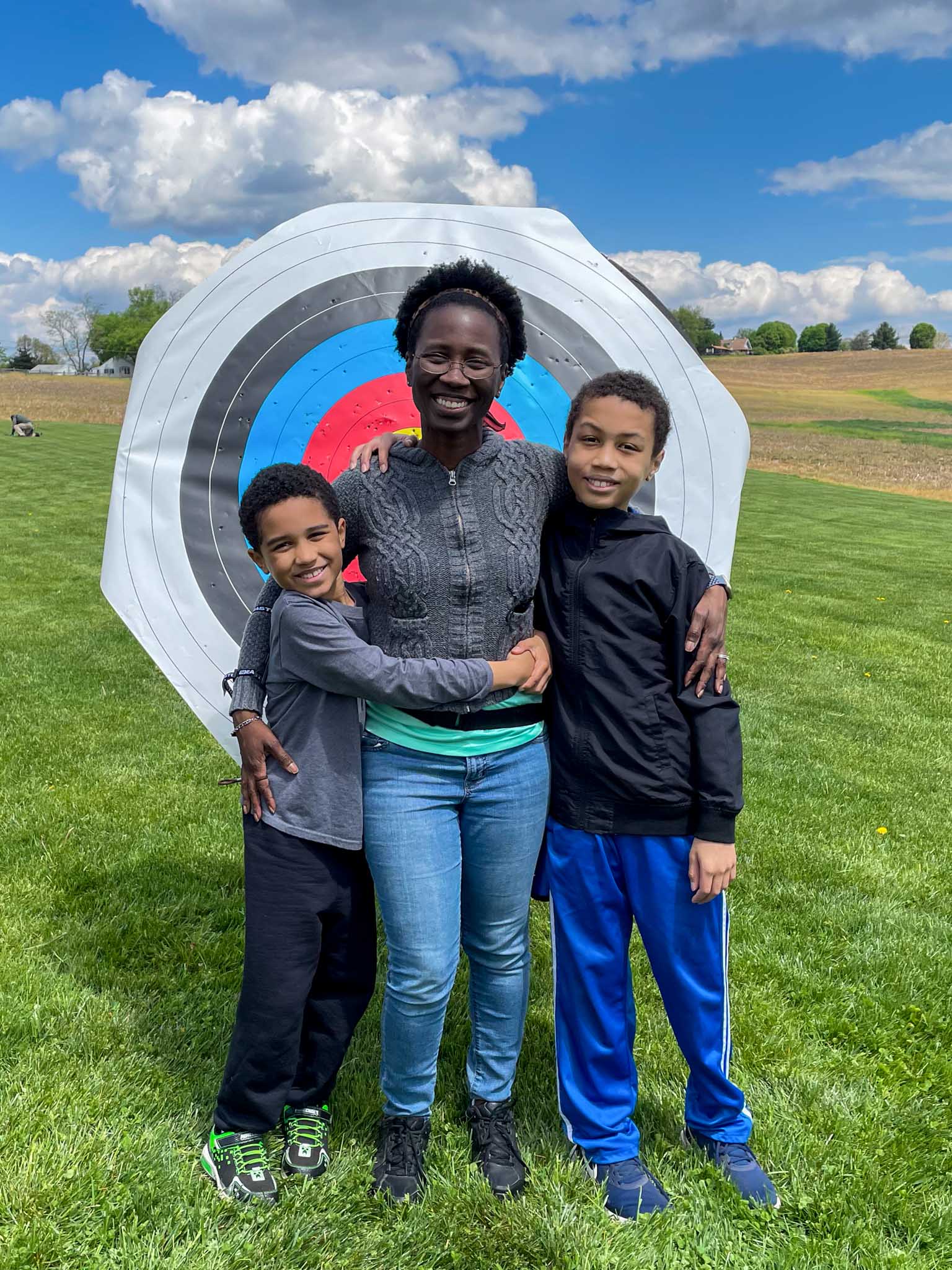 They were deep into the online game Minecraft at the time, and the bow-and-arrow accessory had captured their imaginations. Cindy did what she always does when faced with a new pursuit: she researched. She found clubs within driving distance in Maryland offering family sessions. If the boys were trying archery, she decided, she would too.
“I’m not going to turn down this opportunity,” she recalls.
That decision would change everything.
Cindy doesn’t do anything halfway. Even before their introductory lesson at Tuscarora Archers, followed by continued shooting at Vingt Neuf Bowmen Archery - now their home club - she had purchased bows for the entire family. She studied equipment setups, devoured online coaching content and immersed herself in the technical side of the sport.
By January 2023, just a few months after picking up a bow, she had watched countless hours of instructional videos - from the Online Archery Academy to the Barebow Project - and was analyzing local scores to gauge where they stood.
“I kind of had a sense that we were pretty decent at it,” she says.
When coaches suggested they try a competition, that was all the validation she needed.
In February 2023, Cindy and Noah stood side by side at their first tournament.
“It was cool to be on the line right next to him,” she says. “To see how he adapted over the course of 20 ends.”
The scores were solid for newcomers. But more than that, Cindy had discovered something unexpected: archery quieted her mind.
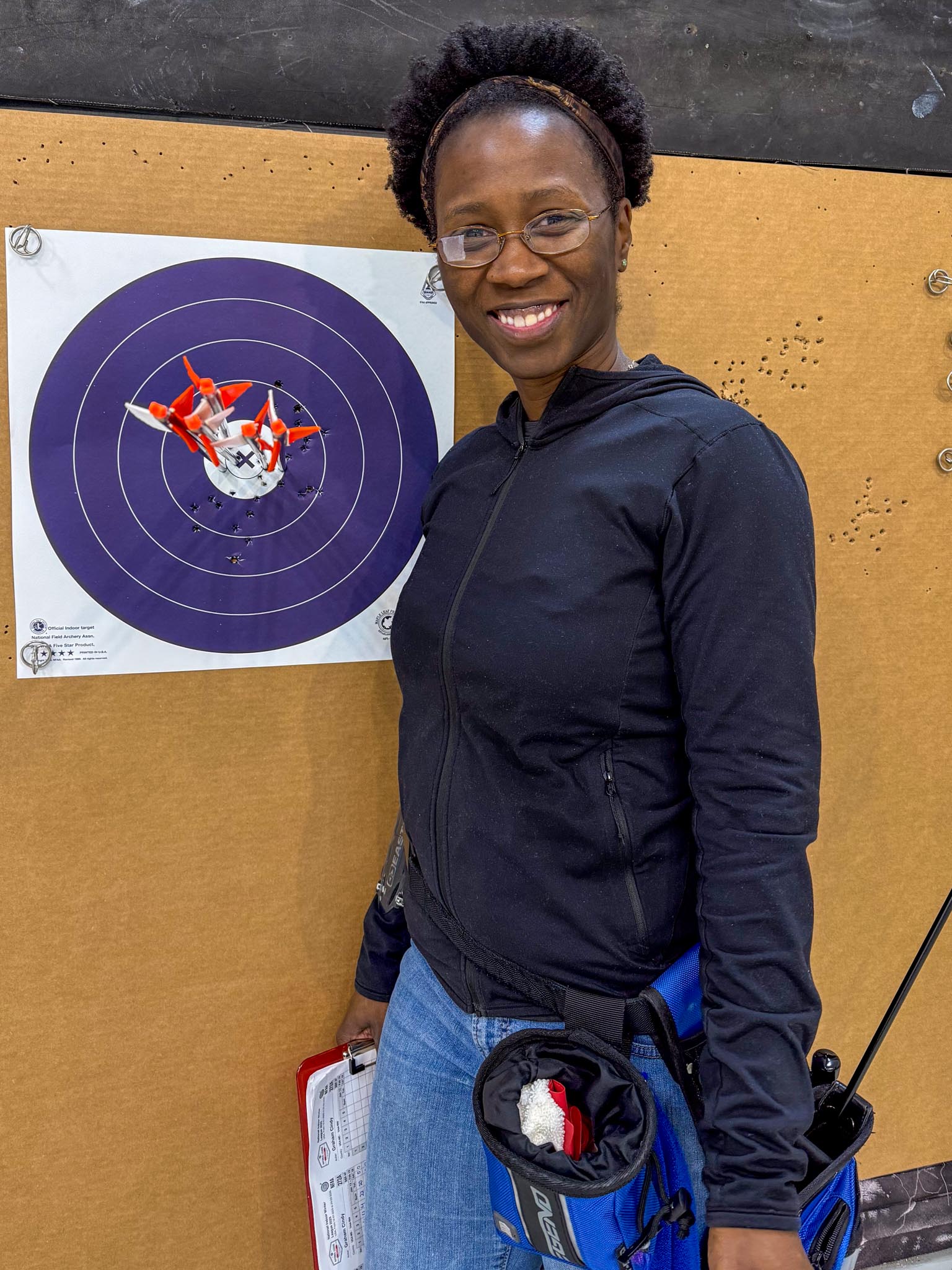
“When I’m cooking dinner, I’m thinking about work. When I’m doing other things, I’m thinking about life,” she says. “But in archery, my mind goes into calculation mode. I don’t think about anything else.”
For a psychologist, business owner, homeschool mom and coach, that silence was powerful.
Cindy’s competitive drive didn’t originate on a sports field. It began in a Haitian-American household shaped by sacrifice and ambition.
A first-generation American, she grew up understanding that opportunity required excellence.
“There was always that understanding that we needed to maximize our opportunities,” she says.
She knew in first grade she wanted to attend Princeton - and she did. Debate team became her competitive outlet in high school. Her eventual career in psychology grew from a natural curiosity about human behavior and a desire to help others.
Sport had always been adjacent to her life. She remembers vividly the 1992 Olympic torch lighting in Barcelona, when Paralympic archer Antonio Rebollo sent a flaming arrow into the cauldron. That image - a flashbulb memory - stayed with her.
But it wasn’t until her sons chose archery that she became an athlete herself.
As a Black woman in a sport where representation continues to grow, Cindy understands the power of visibility. She doesn’t frame her journey as symbolic - but she knows what it means when young Black girls see her on the line.
Archery is often perceived as niche, inaccessible or unfamiliar in many communities of color. Cindy’s presence challenges that quietly and powerfully.
“I think blending people and cultures has always been important to me,” she says. “And archery is that. You’re on the line with people of different races, ethnicities, ages, genders. That’s beautiful.”
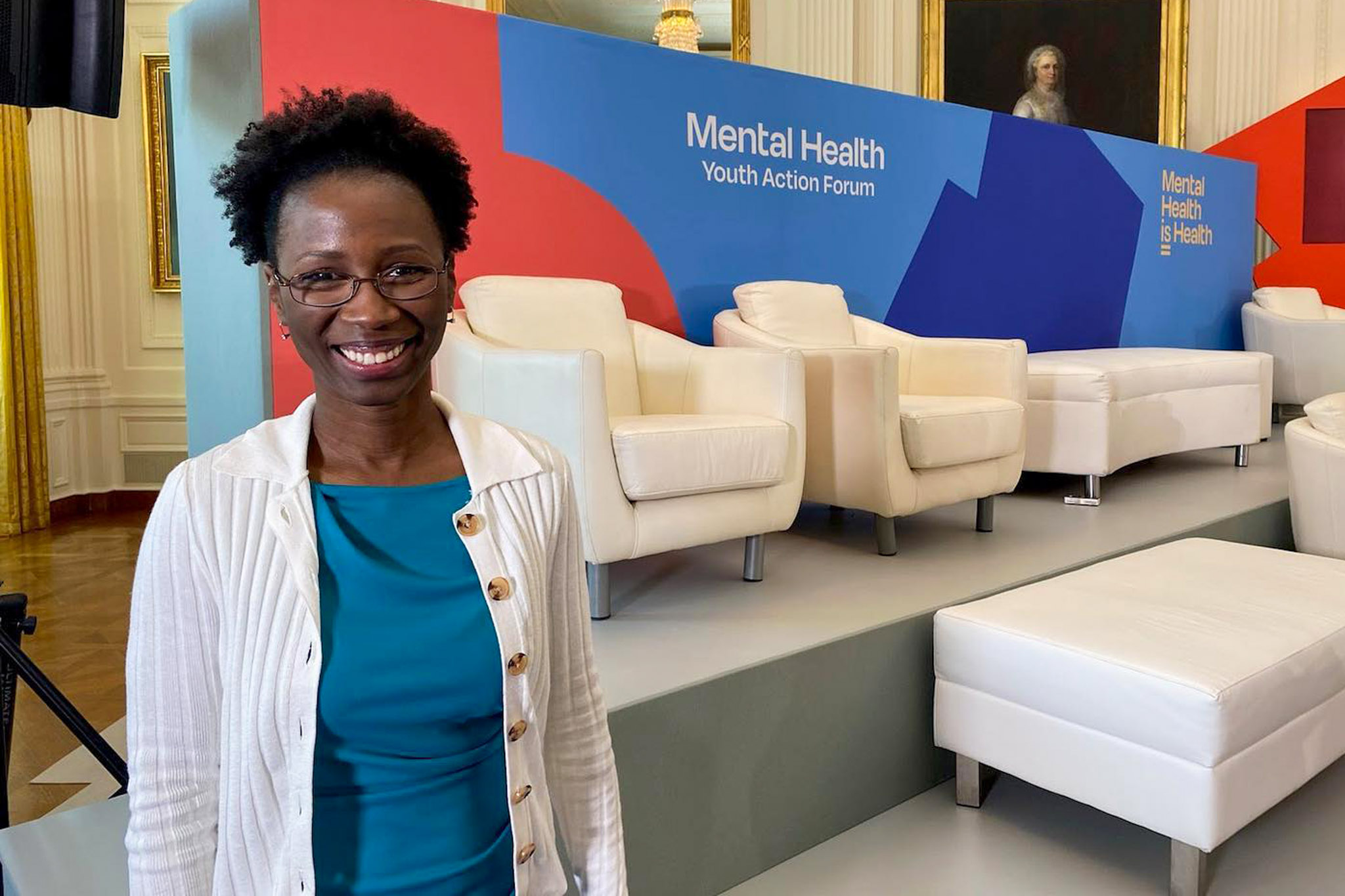
For Black History Month, her story stands as a reminder that access to sport is also access to community, confidence and global opportunity.
Archery is often described as 90 percent mental - and Cindy has a front-row seat to that truth.
Competing at events like the Lancaster Archery Classic tested her in ways public speaking for international corporations never had.
“I’ve never been so nervous for such an extended period of time,” she admits.
As a psychologist, she is highly attuned to emotional shifts - in herself and others. She can sense when fellow competitors are anxious. Early on, that sensitivity became a challenge. She had to learn how to stay present without absorbing everyone else’s emotional state.
“I naturally want to help,” she says. “But I’ve had to learn boundaries on the line.”
That lesson mirrors what she teaches clients: awareness first, then regulation. Suppressing emotion, she explains, isn’t performance-enhancing - it’s counterproductive.
“People say you have to squash down emotion. That doesn’t make sense,” she says. “If you’re suppressing something, it’s going to come out somewhere.”
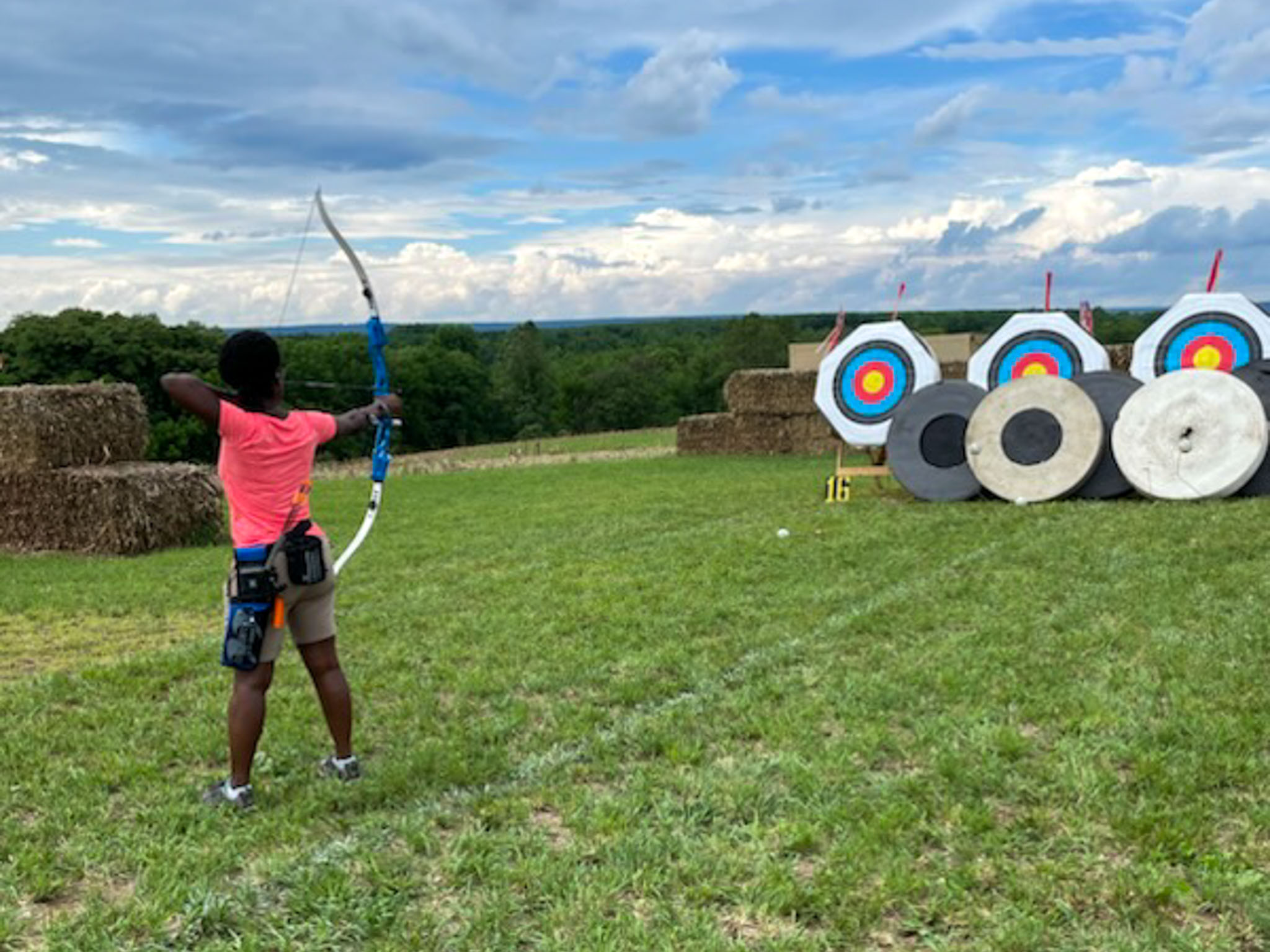
Instead, she embraces a wave analogy. Stress rises, crests and falls. The key is learning to shoot in the calm between swells.
She also applies practical cognitive strategies to her own shooting. Rather than obsessing over what went wrong, she focuses on what she executed well. She externalizes mistakes instead of internalizing them as personal failures.
“You have more arrows,” she reminds herself. “You have more opportunities.”
Archery, she says, has sharpened her own growth. It has reinforced the importance of self-compassion, healthy self-talk and perspective - lessons that extend well beyond the range.
If the mental game is complex for Cindy, it is even more layered when her sons are competing.
The hardest moments?
“Seeing them struggle,” she says, her voice catching slightly.
As both a psychologist and a Level 3 coach, she possesses tools to help them navigate nerves, expectations and disappointment. But as a mother, she feels the ache of watching them face adult-level pressure at young ages.
Noah’s breakout 2024 season - which included national and world-level accomplishments - brought heightened expectations. With success came nerves he hadn’t previously experienced.
Recently, after a tough performance, he told her, “I really realized how mental archery is.”
Cindy saw it as a breakthrough.
“For anyone who wants to excel in individual sport, the mental side is unavoidable,” she told him.
In individual sports, there are no teammates to absorb blame. Every arrow belongs to you. Cindy is teaching her sons to meet that reality with awareness rather than fear.
Soon, she will stand behind Noah in an official capacity as his coach when he represents the U15 barebow division at the Pan Am Youth and Masters Tournament in Colombia.
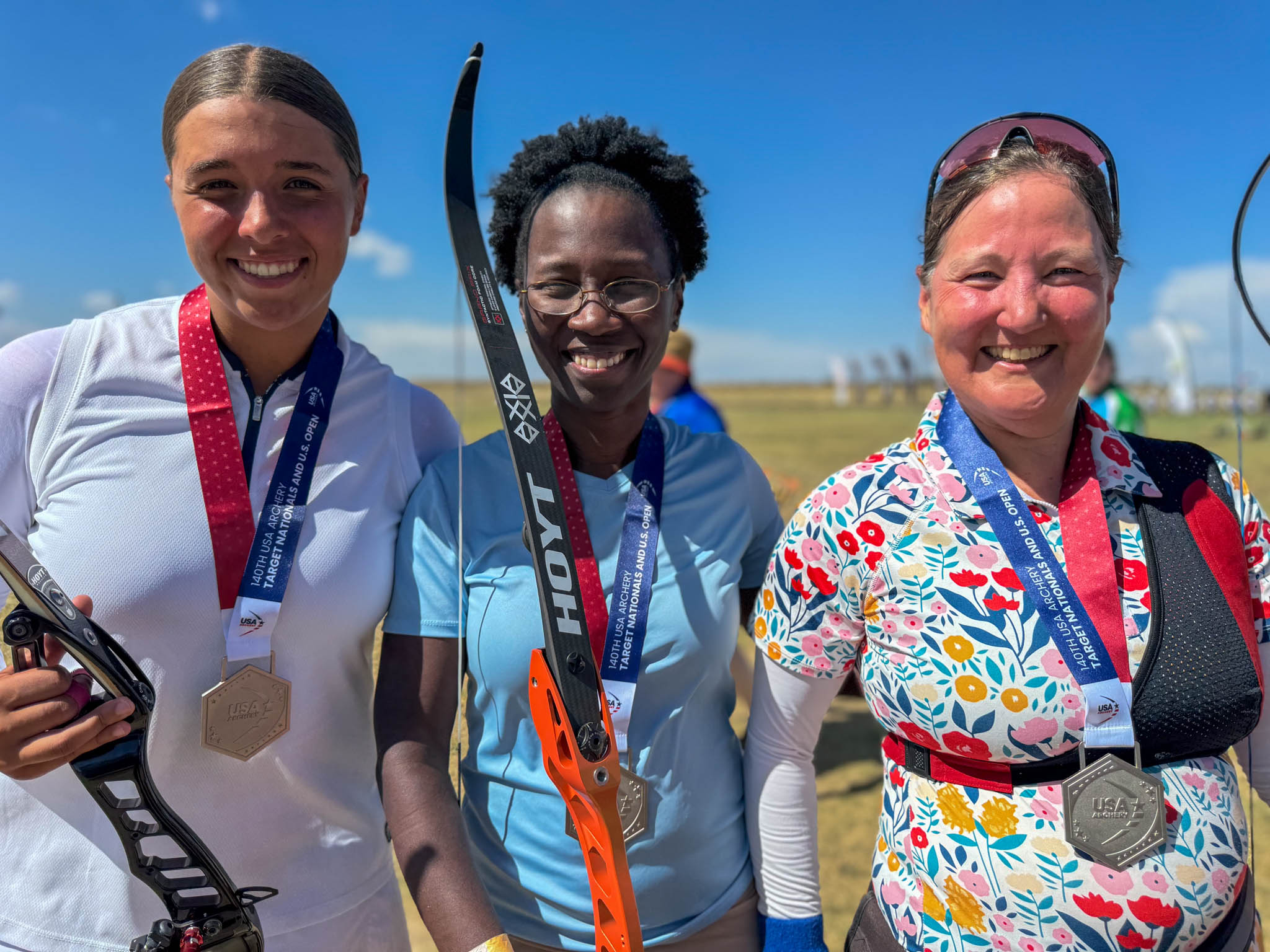
For a person who grew up with limited resources to travel, the moment carries deep meaning.
“It’s a beautiful opportunity,” she says. “To experience different cultures outside of books and academics.”
If the technical challenge hooked her, the barebow community kept her.
Cindy describes it as warm, collaborative and unexpectedly close-knit. When she missed a tournament, multiple competitors reached out to check on her.
“What competition does that?” she asks.
She treasures the friendships, the equipment discussions, the hugs between ends. She values shooting alongside archers she once admired from afar - from Olympians to seasoned veterans - and learning not just from their form but from their life stories.
“What people don’t see is what it took for them to get there,” she says. “The resilience.”
In archery, she found not just competition but community - something she admits had thinned in other areas of life due to work and family responsibilities.
“Archery allowed me to find Cindy again,” she says. “I get to be me.”
The family will compete at Indoor Nationals and JOAD Indoor Nationals. Cindy will look to get along to the Easton Foundations Gator Cup, the Rebel Gear Buckeye Classic - where she took silver in 2024 – JOAD Target Nationals (as a coach) and Target Nationals, while she is also considering Field and 3D Nationals, which she loves for the scenery and mental complexity.
Wherever she competes this year, Cindy approaches each season with gratitude rather than entitlement.
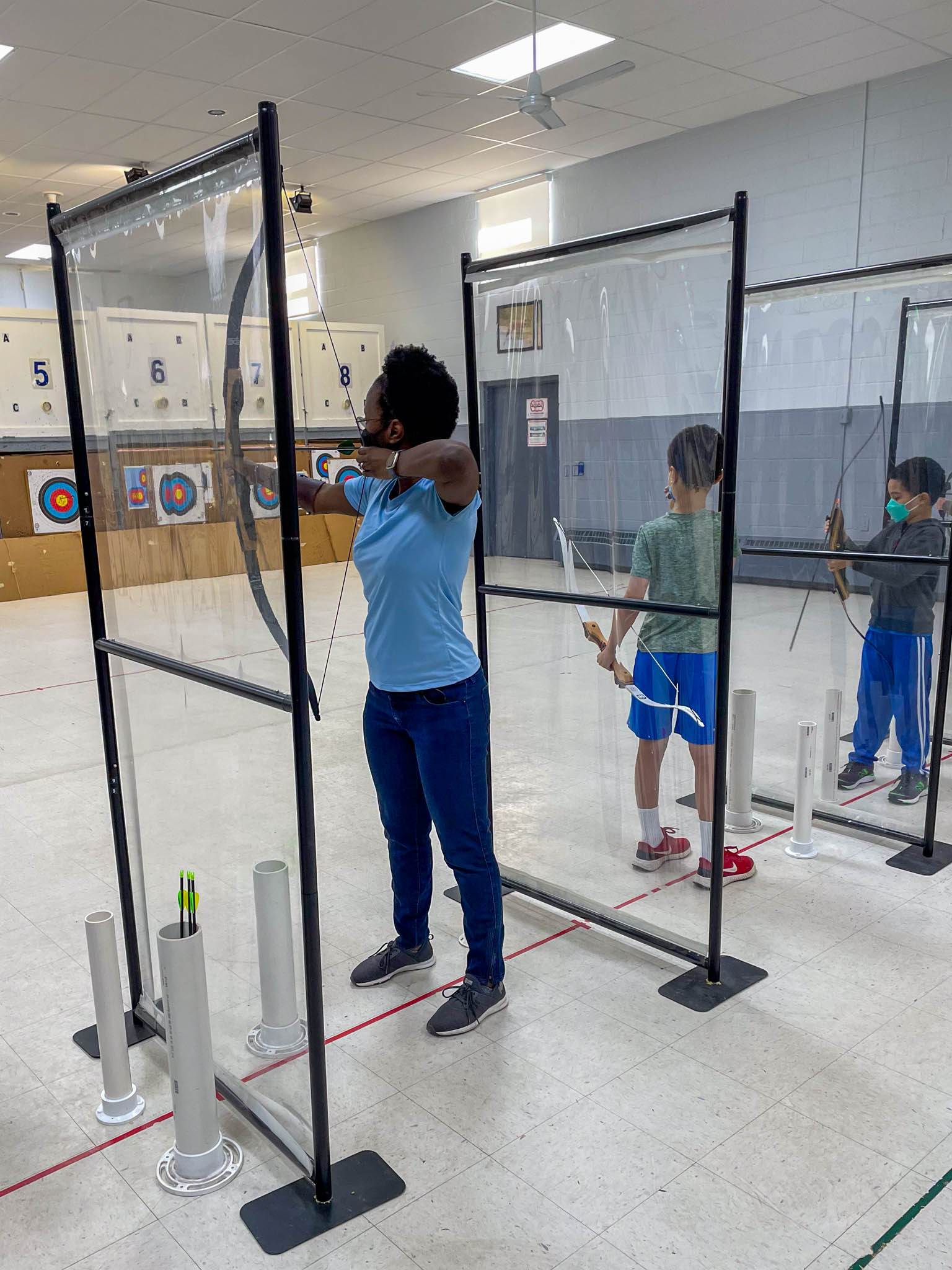
“Even if I never medal again, it’s been enough,” she says. “Just stepping on the line is an accomplishment.”
That perspective - grounded, driven, open - reflects the fullness of her journey.
For Black History Month, Cindy Graham’s story reminds us that representation in sport is not only about podiums. It’s about who feels welcome to try. Who feels seen when they do. And who discovers, sometimes unexpectedly, that the line between family, identity and excellence can be drawn with a single arrow.
On any given weekend, you might find her adjusting a plunger, offering encouragement to a fellow competitor, coaching her sons, or simply breathing into the quiet before the shot.
Archer. Psychologist. Mom.
And always, aiming forward.
**********
At USA Archery, we believe our sport is strongest when everyone has a place on the line. We’re committed to growing diversity in our community, addressing inequities, and expanding access so that archery is open and welcoming to all. Our goal is simple: to create an environment where every athlete, coach, volunteer and family member feels safe, respected and valued.
We know that it’s our different backgrounds, experiences and perspectives that bring depth and strength to the sport we love - and that richness is something worth celebrating, during Black History Month and every month.
< Back to All News