 For many athletes, archery begins with a bow in hand. For others, it begins with a question - about identity, resilience, purpose, or simply what comes next. Across very different paths, those starting points ultimately converge in the same place: a sport shaped as much by people as precision, and a community continually strengthened through USA Archery.
Caitlyn O’Dell (below) first encountered archery as a child shooting in her backyard, but the sport didn’t become a defining part of her life until a study abroad year in Scotland at the University of Stirling. There, the university archery team quickly became a home away from home, offering not just training but belonging in an unfamiliar place.
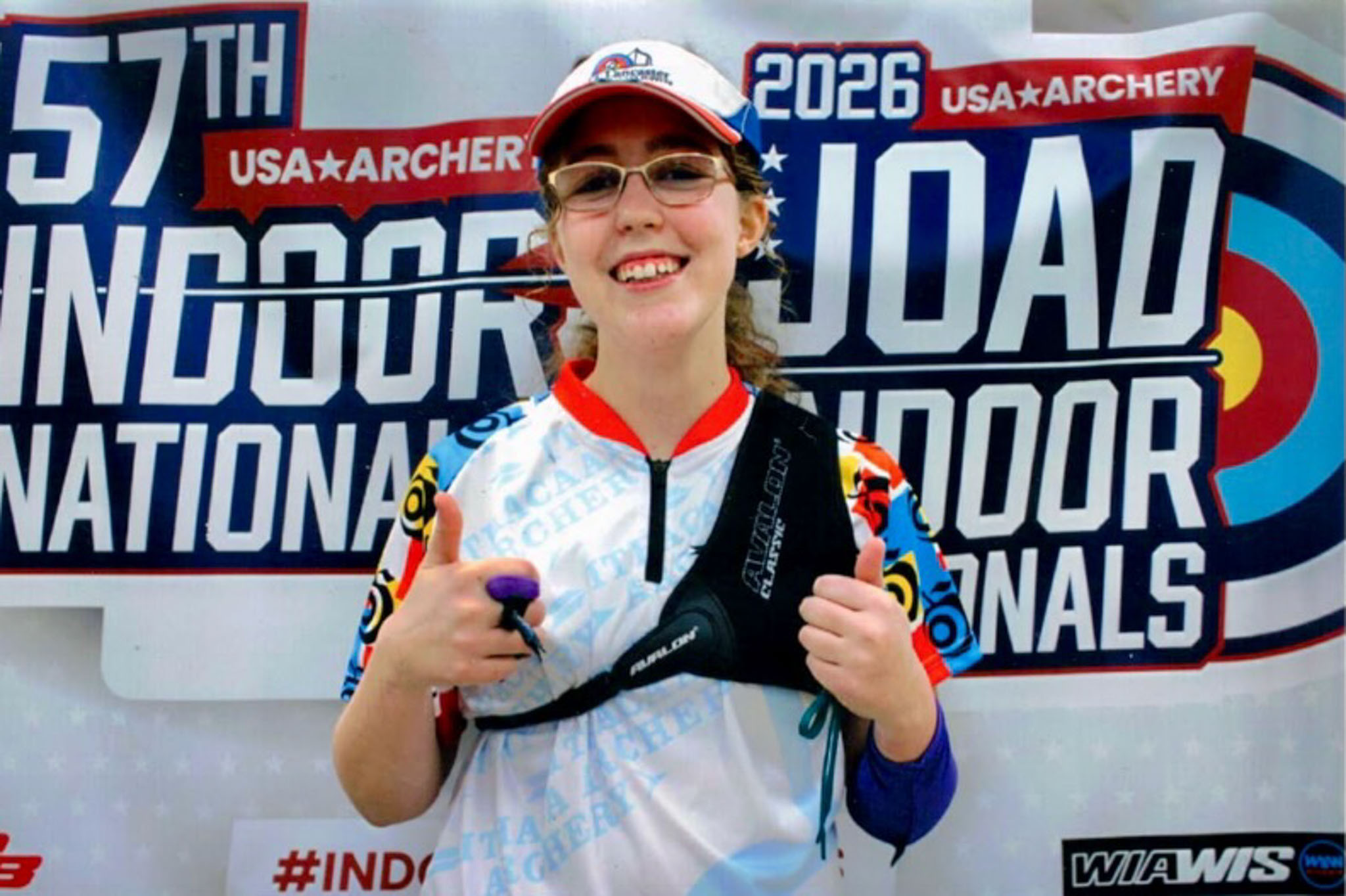 “The archery team there became my community abroad,” she reflected.
Returning to the United States, that sense of community stayed with her and led her to Ithaca Archery, where she found a group that supported her growth both on and off the line. When she faced a difficult decision between veterinary school opportunities and continuing her education internationally at the University of Glasgow, it was a fellow archer who helped her see the choice more clearly.
“Without the community that archery has given me, I wouldn’t have had that support system for other things in my life like that,” she said. “It just makes me so happy.”
Richard Cockrell’s journey began in his late 40s while working in Japan at the Tokyo Institute of Technology. Seeking a personal connection to Olympic sport, he took up archery during breaks and lunch hours with no coach - just repetition, curiosity, and time on the range.
“Archery is one of those sports that you can compete in as long as your body and mind are able,” he said.
What started as informal practice grew into a lifelong commitment. He trained alongside Japanese archers at Komazawa Olympic Park, then returned to Minnesota and worked to build competitive opportunities where few existed.
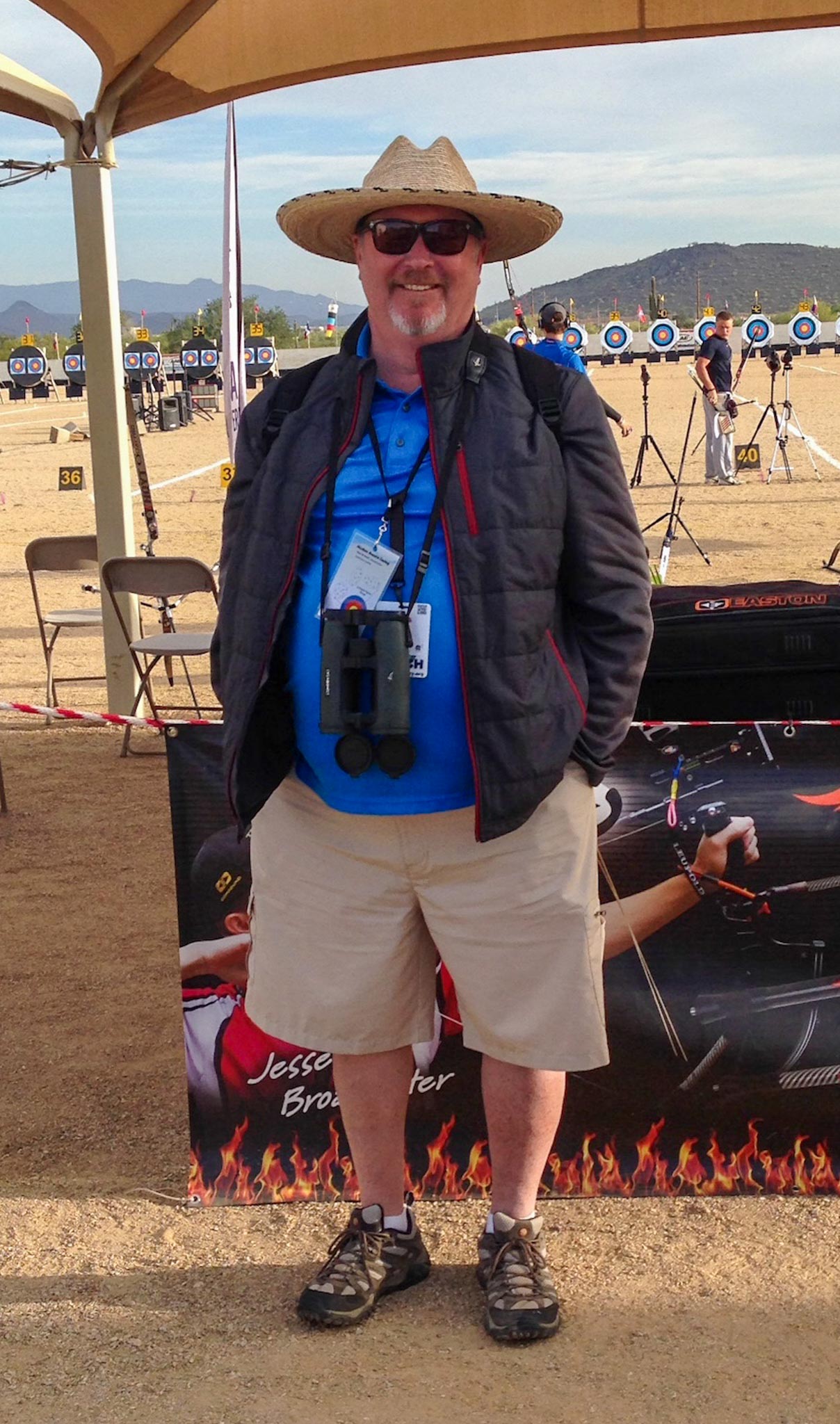
Richard's (pictured) efforts helped establish events like the Minnesota Voyageur Cup, along with expanding JOAD programs and grassroots tournaments. “We met a lot of nice people and made it possible for like-minded people to get together to fling arrows,” he said, reflecting on decades of community-building.
Jackson Romie discovered archery through an Explore Archery class with his wife at North Side Archery Club in Chicago in 2025. What began as a shared activity quickly became a personal outlet and routine.
“What I appreciate most about archery is the level of concentration required for each shot,” he shared.
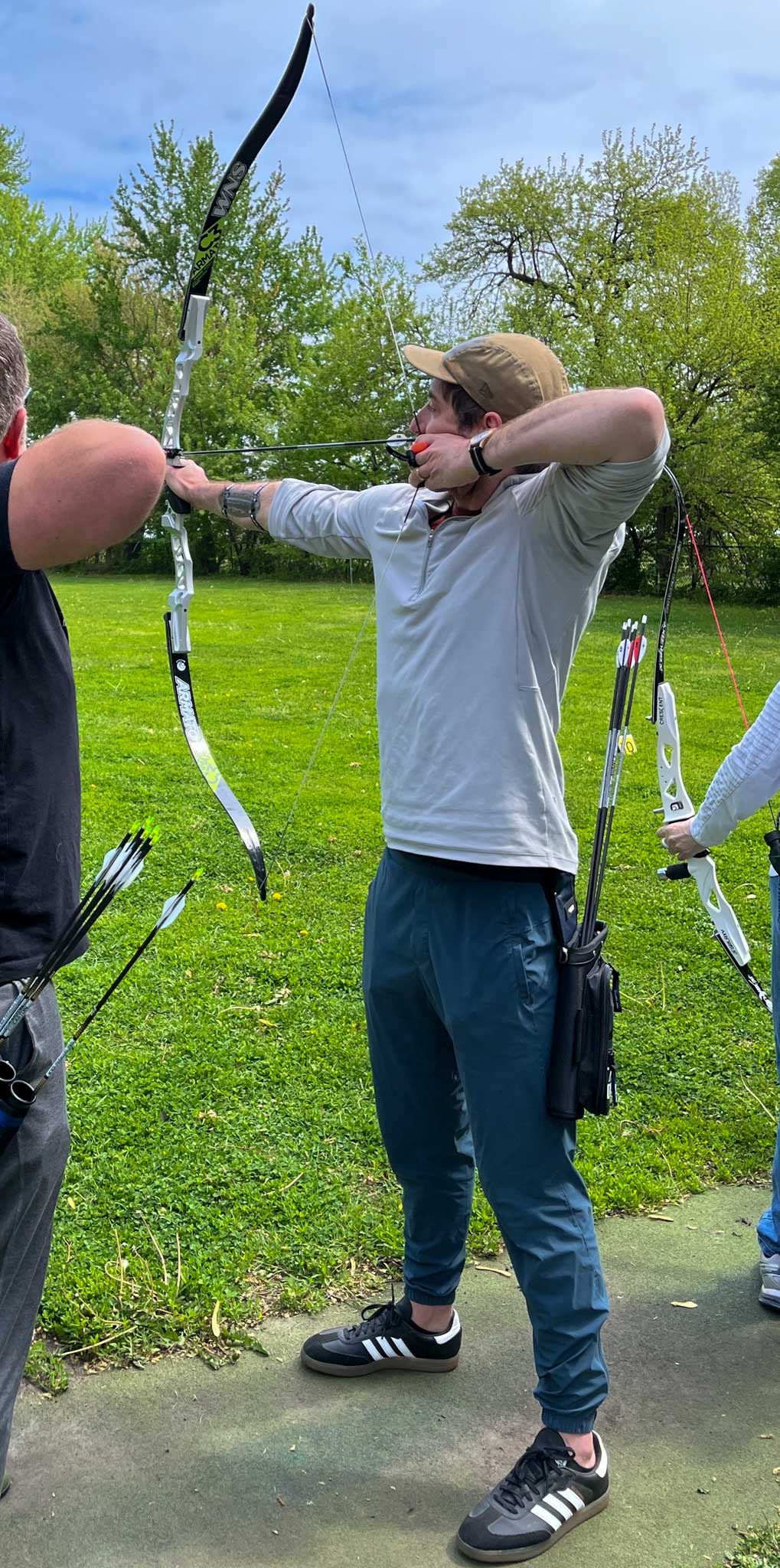
Over time, Jackson (pictured) progressed through additional classes, invested in his own equipment, and began competing in pin shoots, recently earning a silver indoor pin.
For him, the range has become a reset from daily life: “It has become a form of meditation for me. I can sign off from work and head to the range and decompress for an hour or so.”
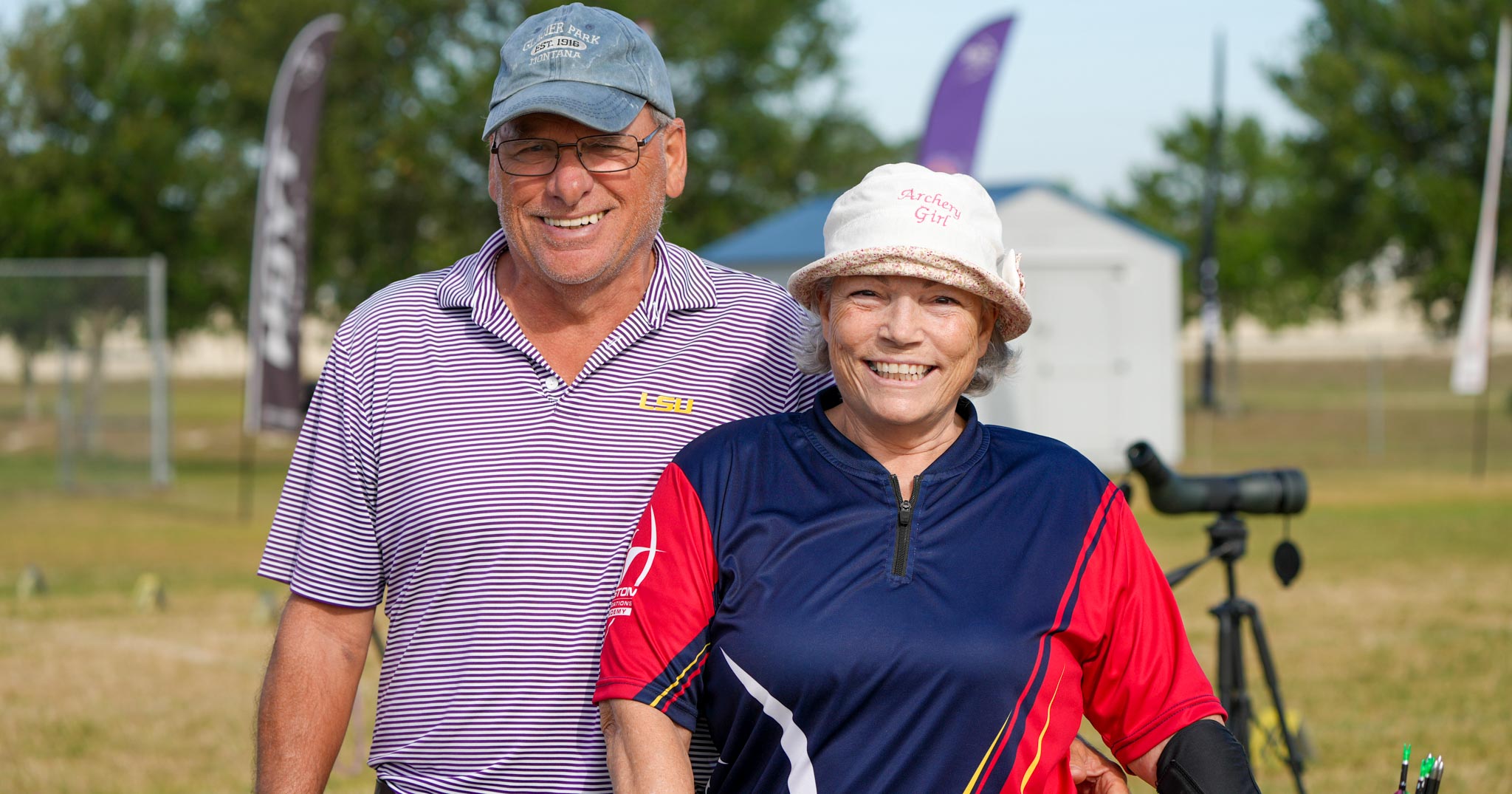
Phyllis Shaw’s (main picture) path to archery came later in life, shaped by a very different set of circumstances. As a polio survivor, she grew up with limited opportunities to participate in athletics. That changed after moving to Florida, where - seeking an activity to do while her husband of almost 48 years, Philip, was playing golf - she discovered the Easton Archery Center in Newberry.
“When I say I had zero knowledge and experience of this sport, it truly was zero,” she said.
With no certainty about what her body could do, she was met instead with encouragement from coaches and staff who helped her safely step into the sport.
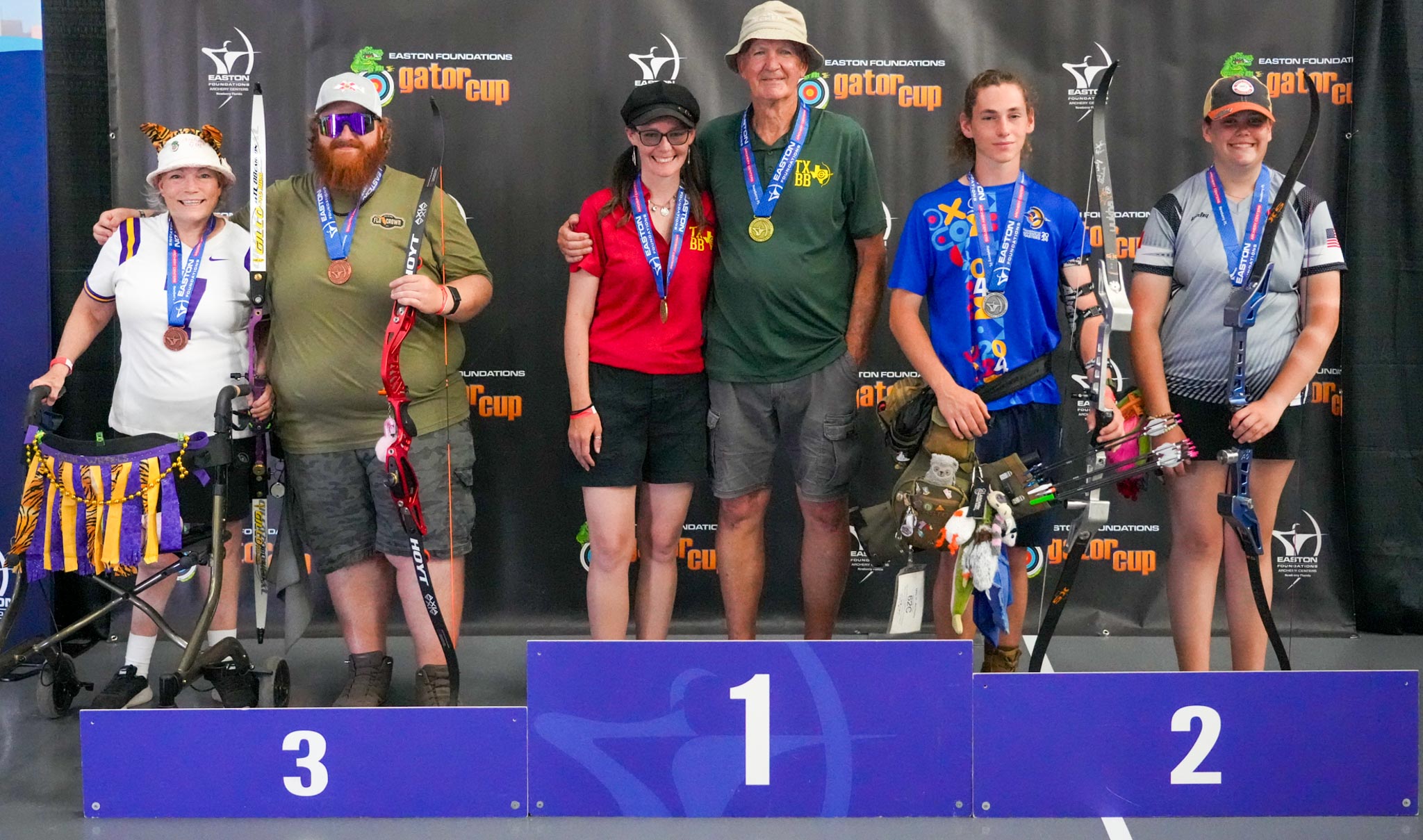
“They said, ‘We got this, together we can help you,’” she recalled. At 70 years old, she now credits coaches Robert Regojo, Aubrey Webster, Cait Moloney, and Mike Pattishall at Easton Newberry Archery Center for helping her turn hesitation into progress: “They have been a valuable part of every advancement I have achieved.”
Phyllis competed at last month’s Easton Foundations Gator Cup, shooting at 50 meters for the first time, supported by her husband. She was also part of the barebow mixed team event, winning bronze alongside Daniel Parkes (pictured).
Chris Paul Morales (below) came to archery through an unconventional route: a lifelong fascination with the Olympics combined with a demanding acting career. After years of considering Olympic sports that could be entered later in life, he committed to archery in 2023 during the entertainment industry strike.
“As soon as I read that, it was settled - I would get into Olympic archery when I was ready,” he said.
Early training began at Queens Archery before progressing through coaching relationships with Larry Brown, Joe McGlynn, and Sungwoo Shin at SW Archery.
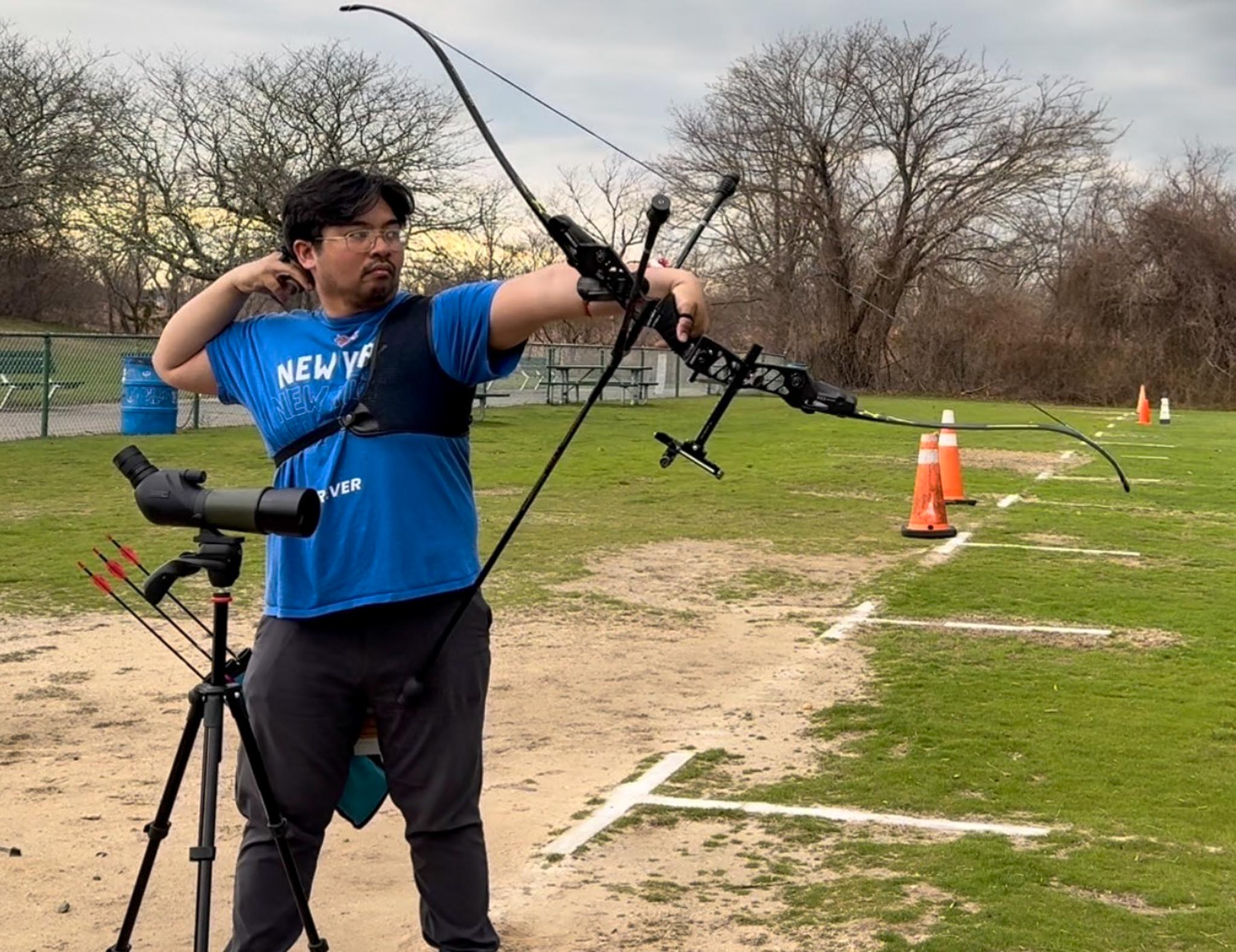
Seeing USA jerseys on the wall, Chris made a clear declaration: “Coach, I want that.” His journey has since included competing against Olympic gold medalist Justin Huish at US Target Nationals and stepping into coaching himself.
“That was the first time I thought, I can actually do this,” he said, reflecting on his development toward a 2028 Olympic goal.
Katie de Geus (pictured) approaches archery through a lens shaped by both physical and psychological endurance. Shooting instinctive style, her practice is built on repetition until aiming becomes unconscious. “Hours and trust,” she said, describing what makes an arrow fly true. Her training has often taken place in demanding outdoor environments, where conditions become part of the discipline itself.
Katie's story is also shaped by significant personal health challenges. Born with gastroschisis, she grew up having already defied early medical expectations about her survival and future. Later, an OCD diagnosis introduced another layer of internal pressure, marked by perfectionism and intensity.
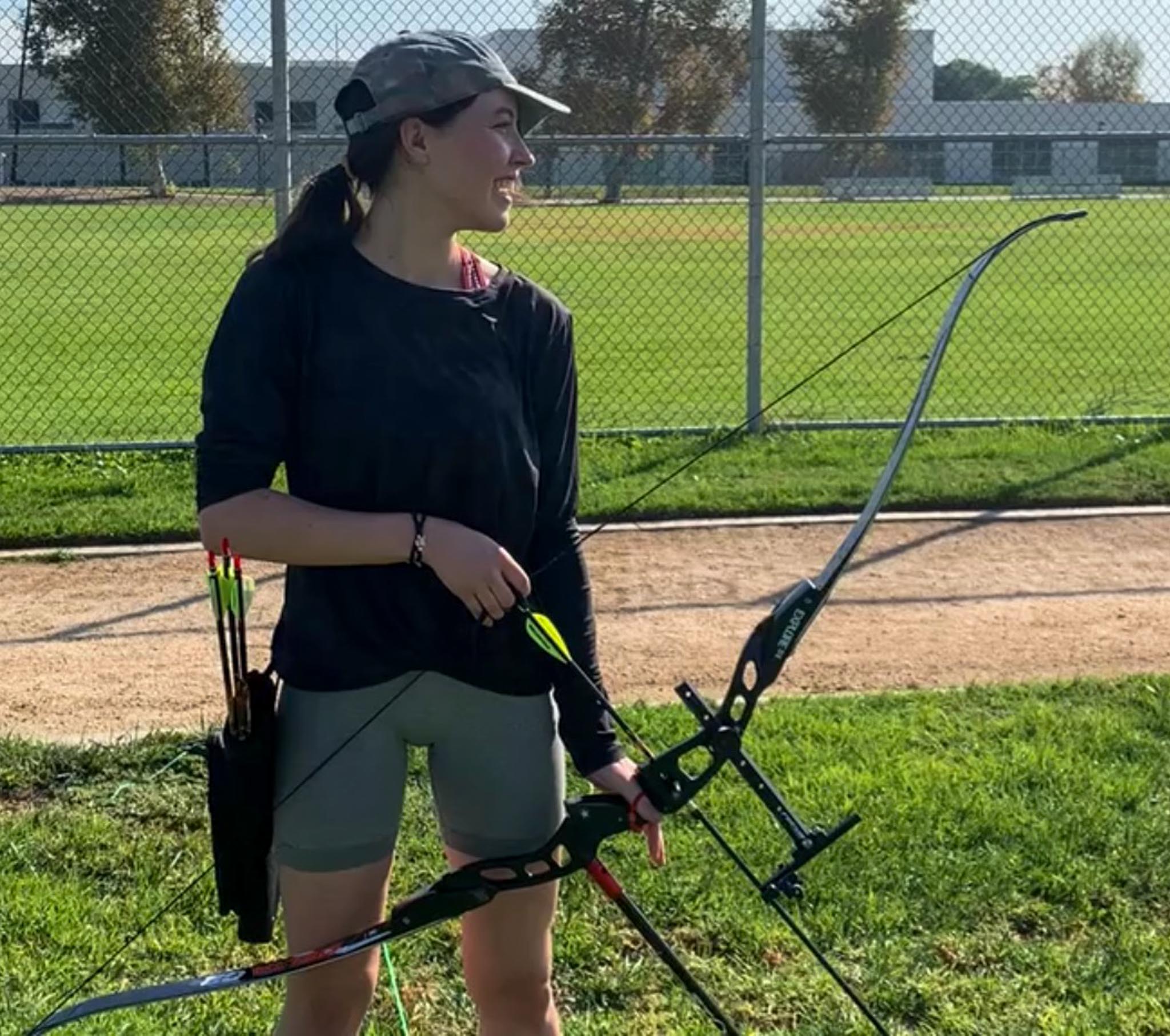
“You can mess up a shot before even taking it by the way you think about it,” she reflected. “Similarly, you can bullseye a shot by the way you think about it.”
Those experiences, along with trauma that tested her sense of voice and agency, became part of what she channels through both archery and creative work. “Through my losses, I persisted,” she wrote. “In every arrow was a will, a dream, a need to be a person that could fight and win.”
Alongside her work as a filmmaker and educator at CSU Northridge and Foothill College in southern California, she describes archery not as escape, but confrontation - where mental weight is transformed into controlled action, and each shot becomes both execution and reflection.
Piper Colantone extends that idea into both performance and inquiry, balancing competition, coaching, and academic research on the sport’s sustainability and community impact. “Because of my love for archery, I have become an advocate for our athletes and our community,” she said, highlighting work that has earned national recognition and helped elevate conversations about the future of the sport.
Across all of these experiences, archery emerges as something larger than technique or competition. It becomes a meeting place - between recovery and ambition, late beginnings and lifelong dedication, personal struggle and shared purpose. Each archer arrives through a different door, but what they find inside is remarkably similar.
Connection.
For those interested in trying archery for themselves, becoming a member of USA Archery is a great place to start. Membership connects archers of all ages and abilities with certified coaches, local clubs, events and a nationwide community passionate about the sport.
< Back to All News