Photo: Getty Images
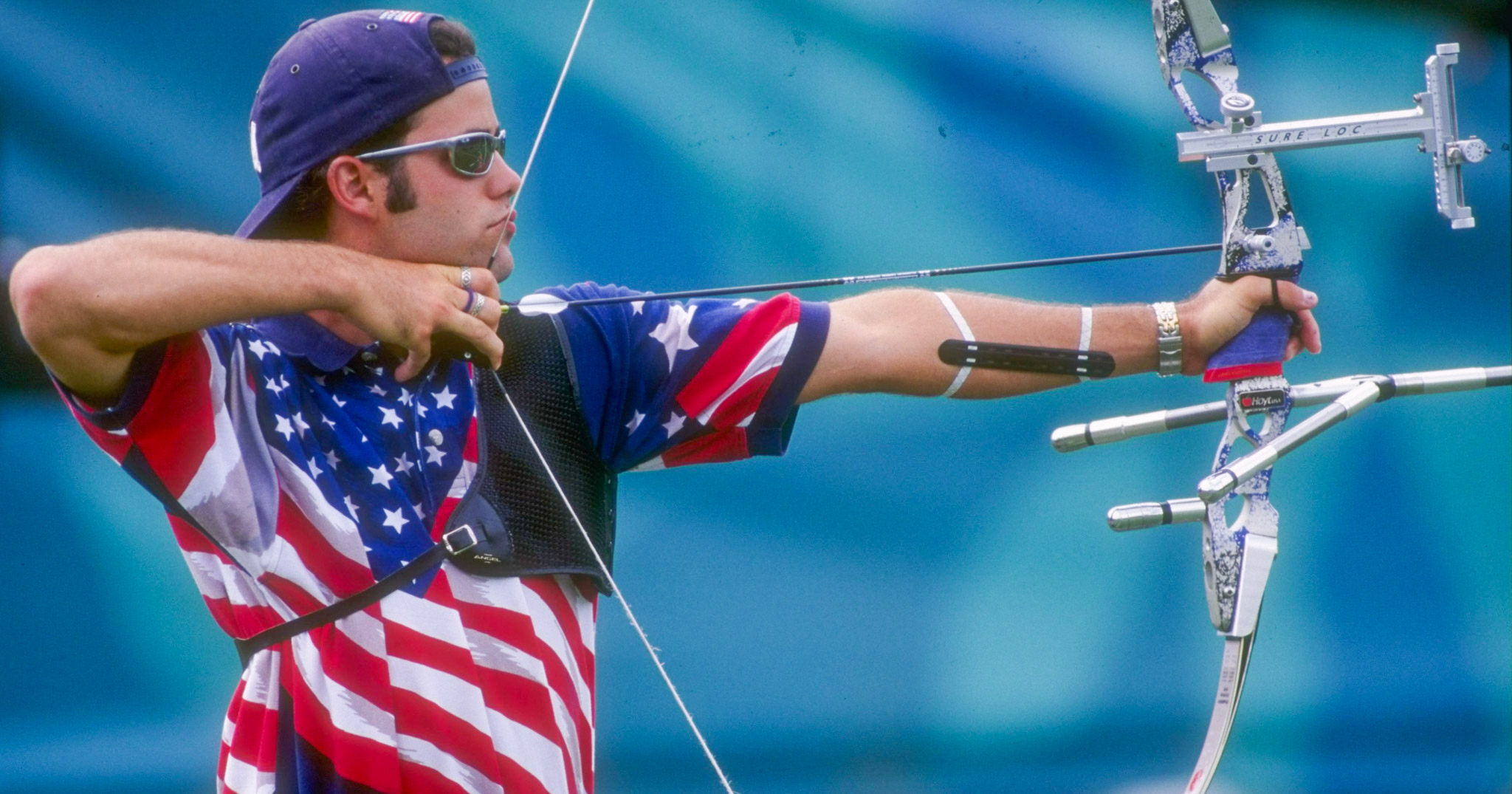
Thirty years ago today, on August 2, 1996, at the Olympic Games in Atlanta, home favorite Justin Huish claimed the men’s individual title. A day later, he returned as part of the U.S. men’s team to win another gold medal. Two golds in one Games - the first male archer to do so - and on home soil, with a performance that captured attention far beyond archery circles.
Even for Huish himself, the moment unfolded in a blur. The realization of what had happened did not come immediately for the then 21-year-old from California.
“For me personally it was unexpected,” Huish recalled. “It wasn’t like this big release or celebration. I was still kind of in shock. Everything was happening so fast - drug testing, media, seeing family - it was just like, ‘Okay, what’s next?’”
The magnitude of the achievement did not fully register until later, away from the Olympic venue.
“It didn’t really sink in until about an hour later,” he said. “I went into the Easton trailer where some friends were working, and when I saw their reaction, that’s when it hit me. They just looked at me like, ‘we can’t believe you did it.’”
Huish finished ninth after qualification, shooting a total of 670. He began his pursuit of gold with victory over Sergei Martynov (KAZ), before defeating Gary Hardinges (GBR), Hsieh Sheng-feng (TPE), top seed Michele Frangilli (ITA) – via a one-arrow shootoff – Paul Vermeiren (BEL) and then Magnus Petersson (SWE).
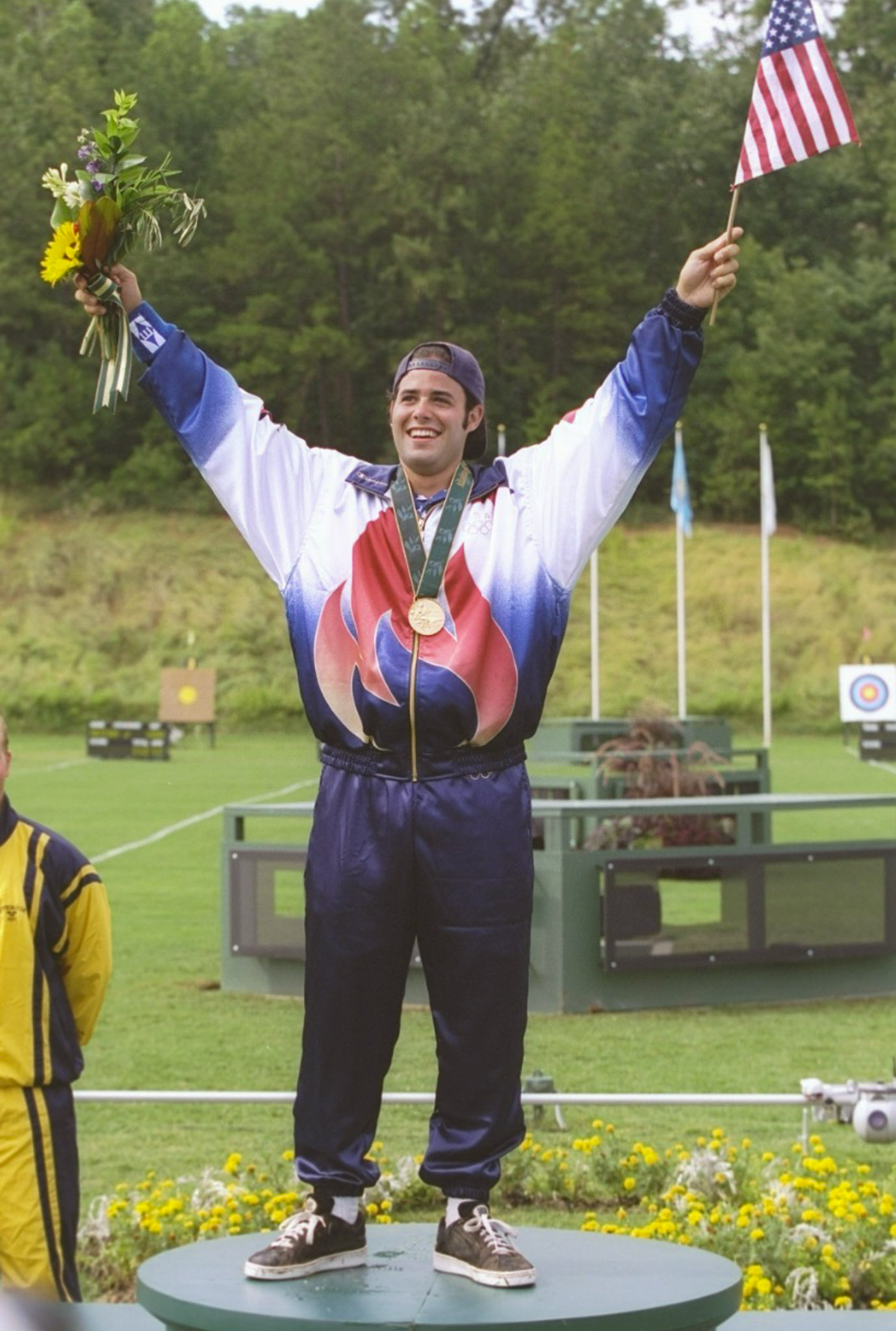
Atlanta also brought a unique Olympic experience: Huish’s individual final and the team competition were held on consecutive days. The celebration and media obligations after the first gold left little time to recover before returning to the field.
“I was out until three in the morning doing NBC interviews,” Huish remembered. “Then the next day we’re shooting for the team gold. I was thinking, ‘Man, I should have gone to bed.’ I was exhausted.”
Despite the fatigue, the U.S. men’s team - Huish, Rod White and the late Richard 'Butch' Johnson - delivered another gold medal performance.
The impact of Atlanta extended well beyond the medals. Media coverage expanded dramatically, youth programs reported increased enrollment, and local clubs saw a surge of new participants. Huish’s memorable Olympic moments - including a widely shared clip of him shooting across a residential street during television features - also left a cultural imprint.
“I’ll still hear people talk about archery somewhere and mention that guy shooting across the street,” Huish said with a laugh. “That story really stuck with people.”
Atlanta also reflected a shift in the sport itself: Olympic match play demanded not only technical skill but mental resilience. U.S. training systems evolved to simulate elimination pressure, shaping preparation for the next generation of athletes.
For Huish, the Atlanta experience on this day 30 years ago, remains something he continues to process decades later.
“Even now when I watch the video of that last arrow against Petersson, I get nervous,” he said. “I look at it and think, ‘How did I even do that?’”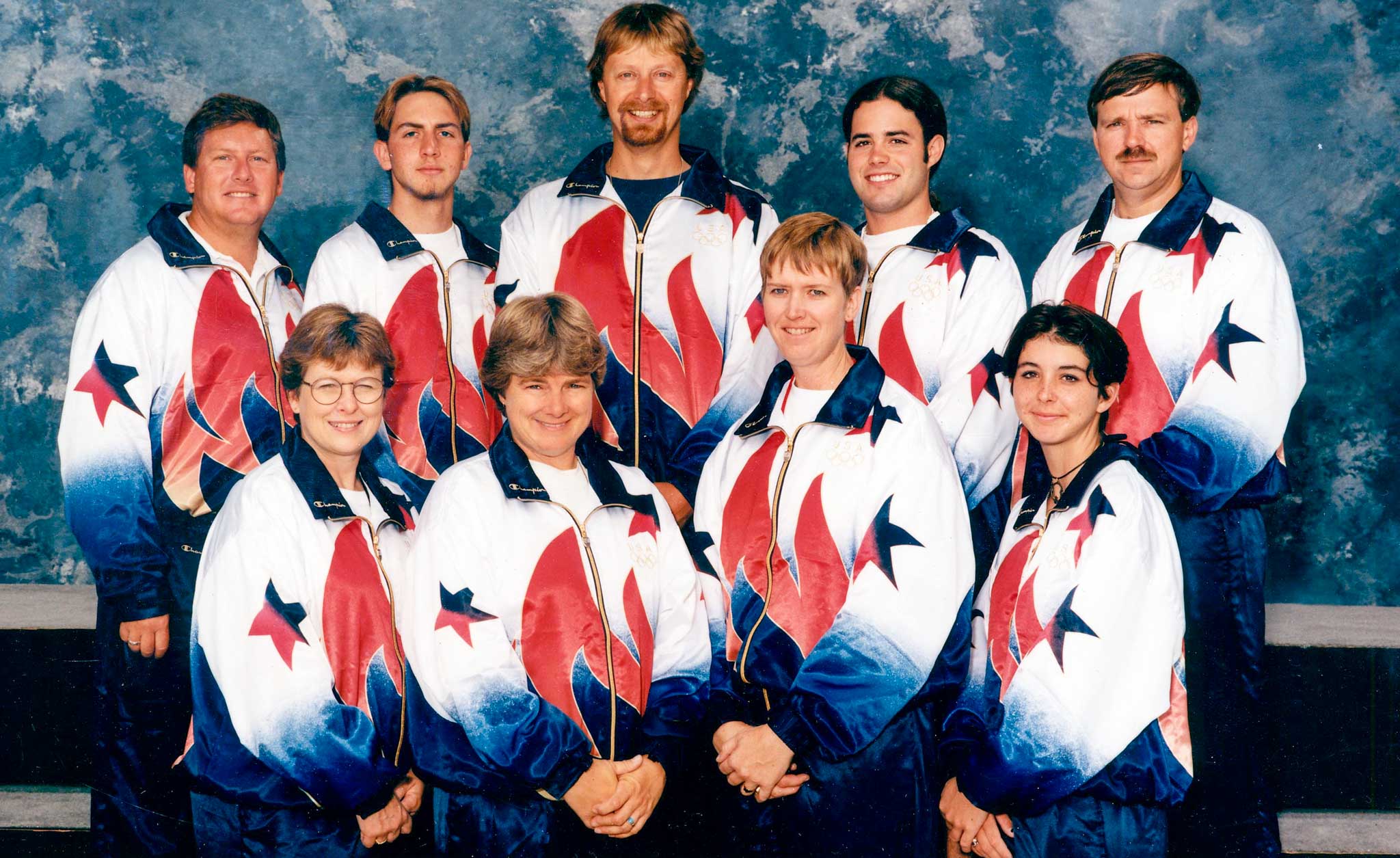
Photo: Crawford Family U.S. Olympic Archives, U.S. Olympic Committee
Pictured, back row, left to right: Lloyd Brown, Rod White, Richard Johnson, Justin Huish, Mike King. From row, left to right: Teresa Brothers, Janey Dykman, Judi Adams, Lindsay Langston.
< Back to All News